
“Fine wines need mouth-blown glasses,” says Katerina Steeger. Czech by birth, she has been advising the Swiss restaurant trade on the choice of wine glasses for many years. She confirms that demand for fine mouth-blown glasses is currently going through the roof. Yet manufacturers can barely keep pace with the growing market. Glassblowers are a dying breed, even though the glassworks of Eastern Europe are inundated with orders.
But is the hype justified? Is mouth-blown really better per se than machine-made? There are a few universal principles for what makes a good wine glass. It should be thin-walled and light. Foot, stem and bowl should form a balanced whole, so that the glass sits comfortably in the hand. The bowl is more or less wide at its base and tapers towards the opening — though only to a degree that still allows the nose to sniff unhindered. The size and shape of the bowl must allow the wine to unfold fully and release all its aromatic nuances.
Man versus machine
Let’s look at the detail. How do industrial products differ from handcrafted ones? Machine-made glasses are generally heavier, their stems sturdier and their bowls thicker-walled than mouth-blown ones. This has consequences for the wine: with thick-walled glasses, you shape your lips and tongue differently when drinking than with thin-walled ones. The thinner the glass, the more calmly and evenly the wine flows into the mouth — and the more immediate the experience. The shape of the bowl is also decisive: it determines how the aromas gather. The diameter and shape of the rim, in turn, determine how the wine flows onto the tongue. Both influence the wine’s smell and taste.
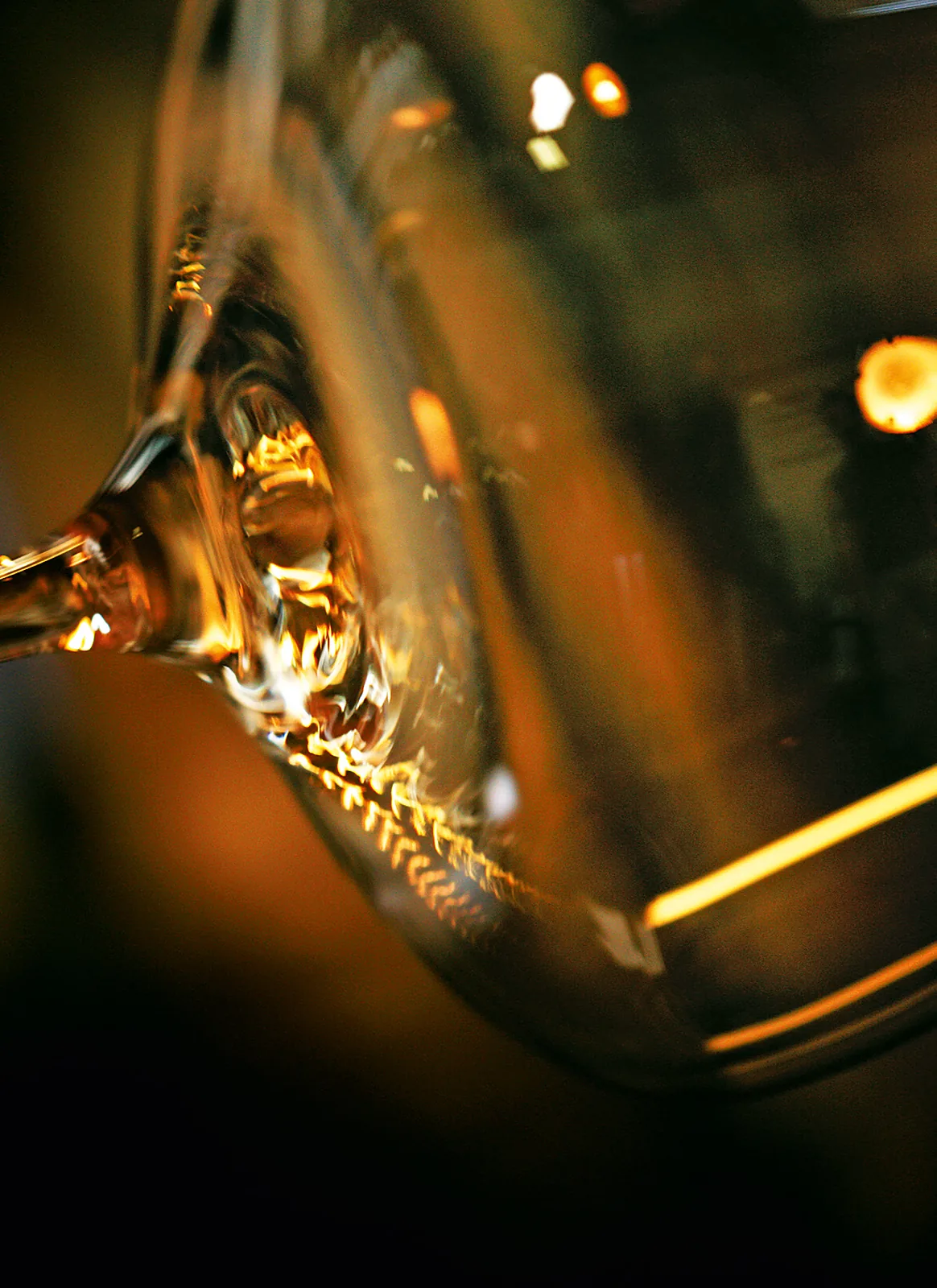
The microscopically rougher surface structure of mouth-blown glasses, which results in a larger surface area, also has a positive effect on the perceptible aroma of the wine. This becomes clear in a direct comparison of the two identically shaped Gabriel glasses: in the mouth-blown version, the wine’s bouquet is more intense and more multifaceted.
When it comes to cleaning, opinions differ. According to the manufacturers, all the glasses tested are dishwasher-safe. And for most wine drinkers that is surely the best and most convenient solution. Anyone who, like me, has a very sensitive nose and is bothered by the residues that machine washing leaves on the glasses will prefer to wash them by hand. Warm water alone is often enough. The glasses are then polished with a fine linen or microfibre cloth and kept in an odour-neutral place until their next use.
Compared with the machine-made glass, mouth-blown ones possess an emotional added value. They are crafted by human hands in an artistic tradition, not by a machine. Owing to the individual production process, no two are exactly alike. Each one is unique. If we were machines, we would probably not care how light or thin-walled the glass is in which we swirl our wine, or whether it appeals to us aesthetically. In us, however, these impressions feed into the pleasure of the experience. Delicate, finely wrought glasses automatically make a wine seem finer.
One for all
But which glass offers the greatest pleasure? The range on offer has become almost impossible to survey, and not only for laypeople. There has long been more than just a separate glass for white, red and sparkling wine: specially shaped glasses have meanwhile been designed even for individual grape varieties. But let’s be honest — who wants ten different glasses at home? Isn’t it more practical to have one glass for all wines?
To meet this need, many glassmakers have for some time been offering so-called universal or all-round glasses. For our test we assembled a number of them. From producers without a dedicated all-round glass in their range, we chose one that seemed suited to the purpose.
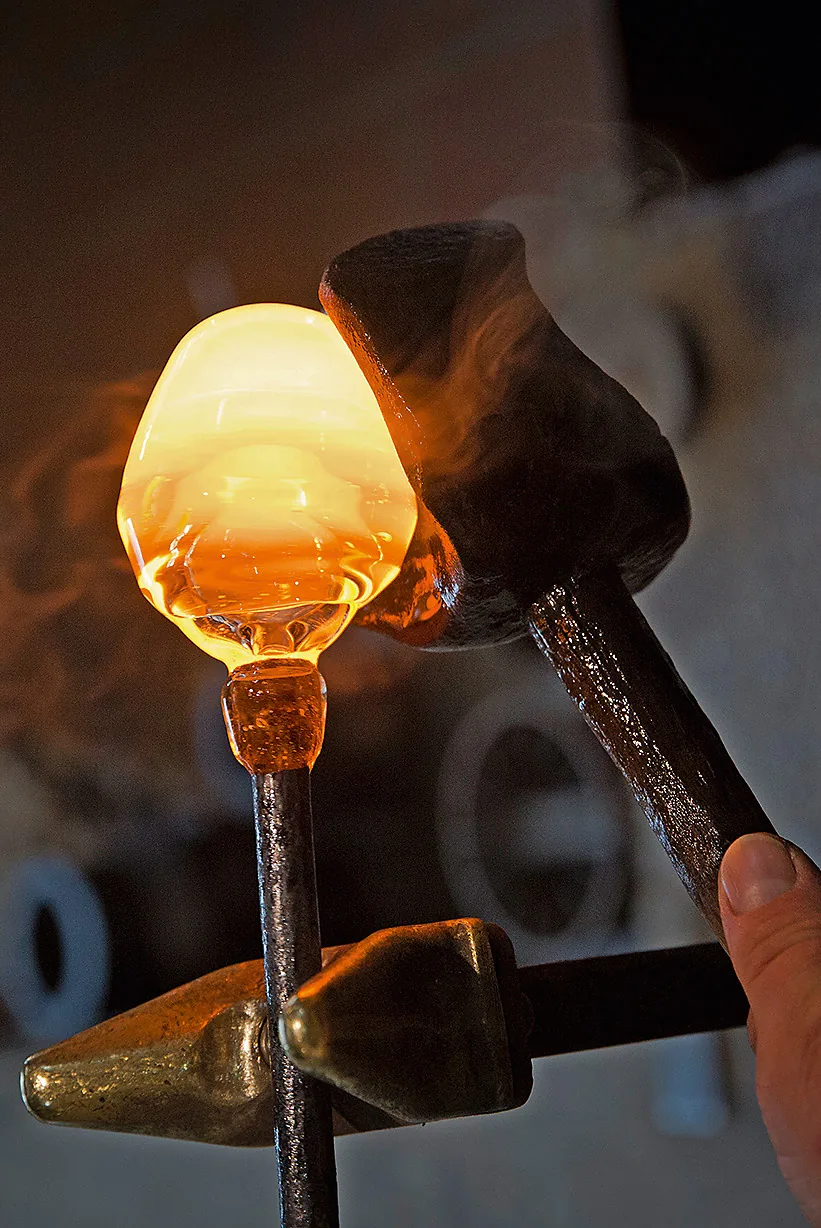
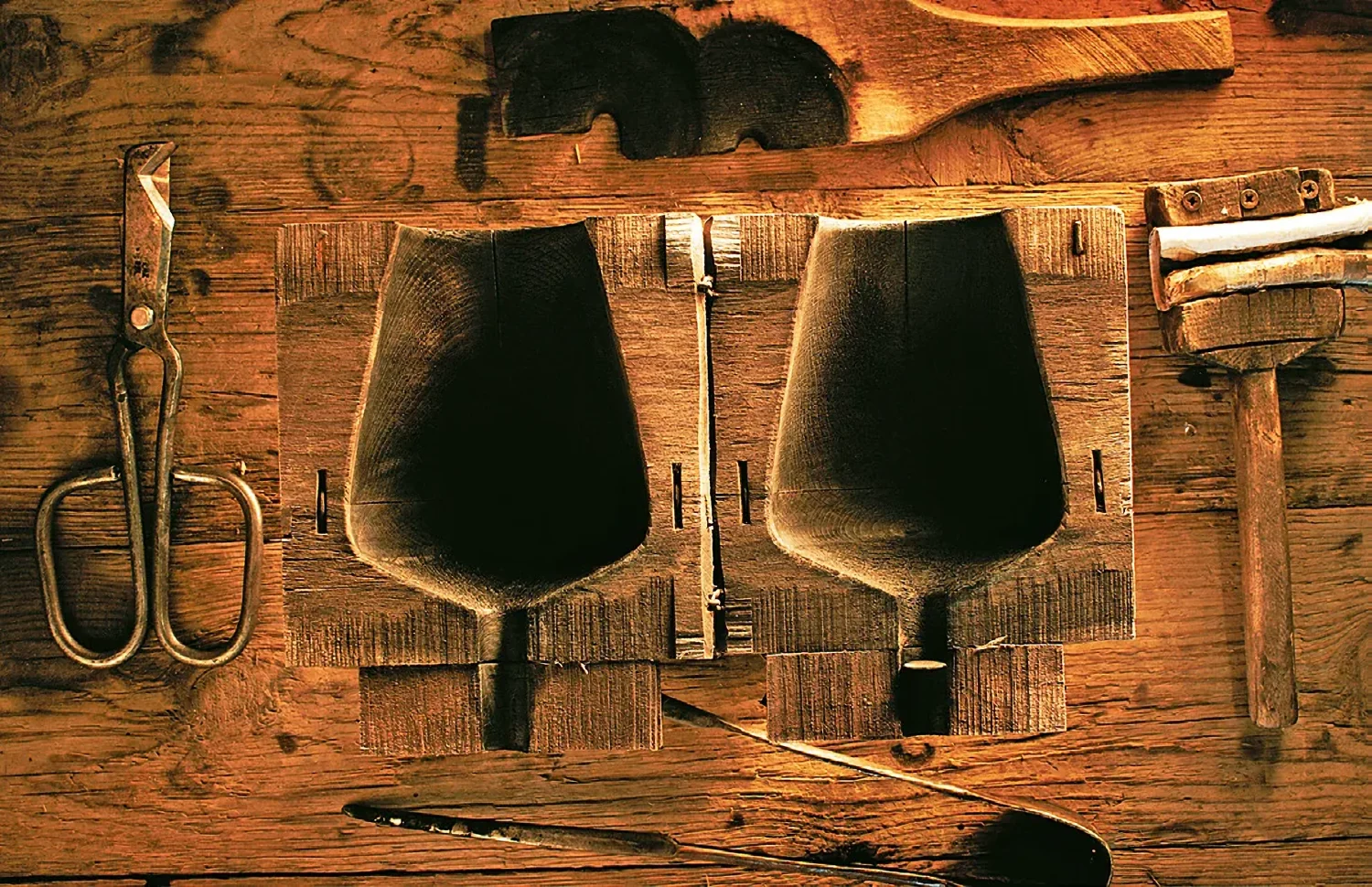
Yet the glass industry has made enormous strides: mould seams and attached feet and bowls are long a thing of the past, and the new technique of machine glassblowing now comes remarkably close to the traditional glassblower’s art. Whether one finds that fascinating or unsettling is not merely a monetary question but an ethical and cultural one. It is about how much value one places on traditional craftsmanship as against technical progress.
Our verdict
The bad news first: the one perfect glass does not exist! As in every other area of life, perfection is scarcely attainable in wine glasses either. The field of wine enjoyment is far too multifaceted for that, individual notions of aesthetics too contradictory, the occasions too varied. At a party, on a windy terrace or at a picnic I use a sturdier glass than at home — a good machine-made one is the first choice there. And when it comes to a glass’s weight and size, delicate female hands and powerful male paws often have very different needs. Whether a long stem is perceived as particularly elegant or merely mannered is also a matter of taste.
And yet: in our test, the mouth-blown glasses win. They are lighter, thinner-walled and more elegantly proportioned — and above all, wines reveal themselves more radiant and more layered in them.
This article appeared in MEN issue 1/23 (June 2023).